
Wax and rosin
Uses of wax and rosin are natural substances widely used for their adhesive, protective, and friction-modifying properties. Wax is a soft, malleable material primarily composed of long-chain hydrocarbons, esters, and fatty acids. It is naturally derived from sources such as bees, plants, or petroleum. Waxes are hydrophobic, providing water resistance, lubrication, and a smooth finish. They are commonly used in cosmetics, polishes, candles, coatings, and as mold release agents. Their low melting points allow easy application, and their chemical stability ensures durability in various environmental conditions.
Rosin, also known as colophony, is a solid resin obtained from the sap of pine trees and other conifers. It is primarily made of resin acids, such as abietic acid, giving it a brittle, glass-like texture at room temperature. Rosin is sticky when warm and becomes rigid when cooled. It is widely used to increase friction, as seen in violin bows, sports equipment (e.g., gymnastic grips and baseball pitchers’ hands), and in adhesives, inks, and varnishes. Rosin’s chemical composition makes it reactive, allowing it to form polymerized resins when heated or combined with other compounds.
In combination, wax and rosin are often blended to optimize properties such as tackiness, hardness, and durability. For example, in musical applications or sports equipment, wax imparts smooth handling, while rosin provides grip and friction, making the mixture highly functional.
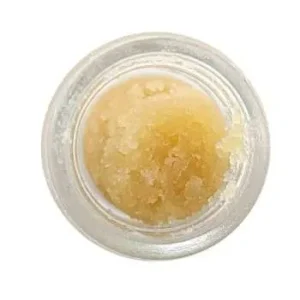
WAX And ROSIN
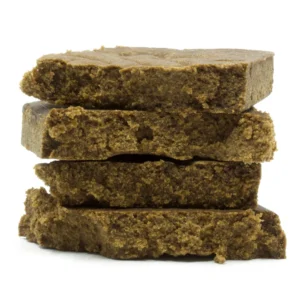
WAX And ROSIN
WAX And ROSIN
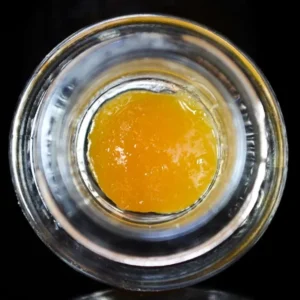
WAX And ROSIN
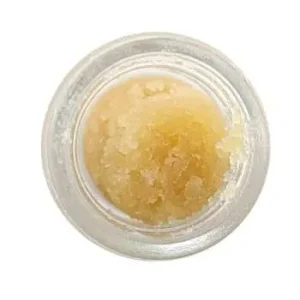
WAX And ROSIN