
Uncategorized
THC oil cartridge
Jul
THC oil cartridge
What Is a THC Oil Cartridge? Complete Beginner’s Guide
A THC oil cartridge, also sold as a pre-filled cartridge or THC vape cartridge, is a small, sleek tube of amber oil with no obvious clues about what’s actually inside it. No instructions. No context. Just a percentage printed on the side and a mouthpiece at the top. The team at THC Vape Europe hears this exact moment of confusion from new customers regularly: “What is this thing, and how does it work?” It’s a fair question, and one that deserves a proper answer.
This guide covers everything a first-time buyer needs to know: the anatomy of a THC oil cartridge, the meaningful differences between oil types, how to read potency numbers, how to check compatibility before you buy, and how to tell a quality product from a dangerous counterfeit. No guesswork, no jargon.
THC oil cartridge anatomy and how it works
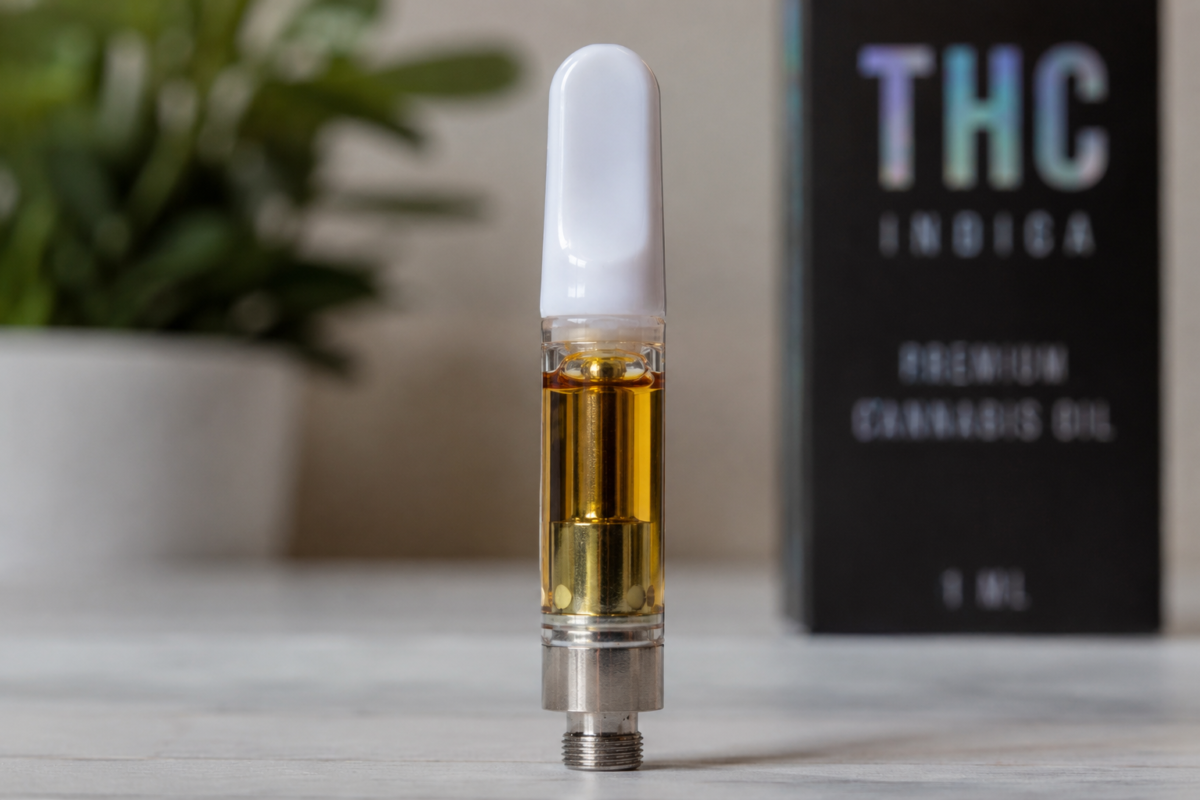
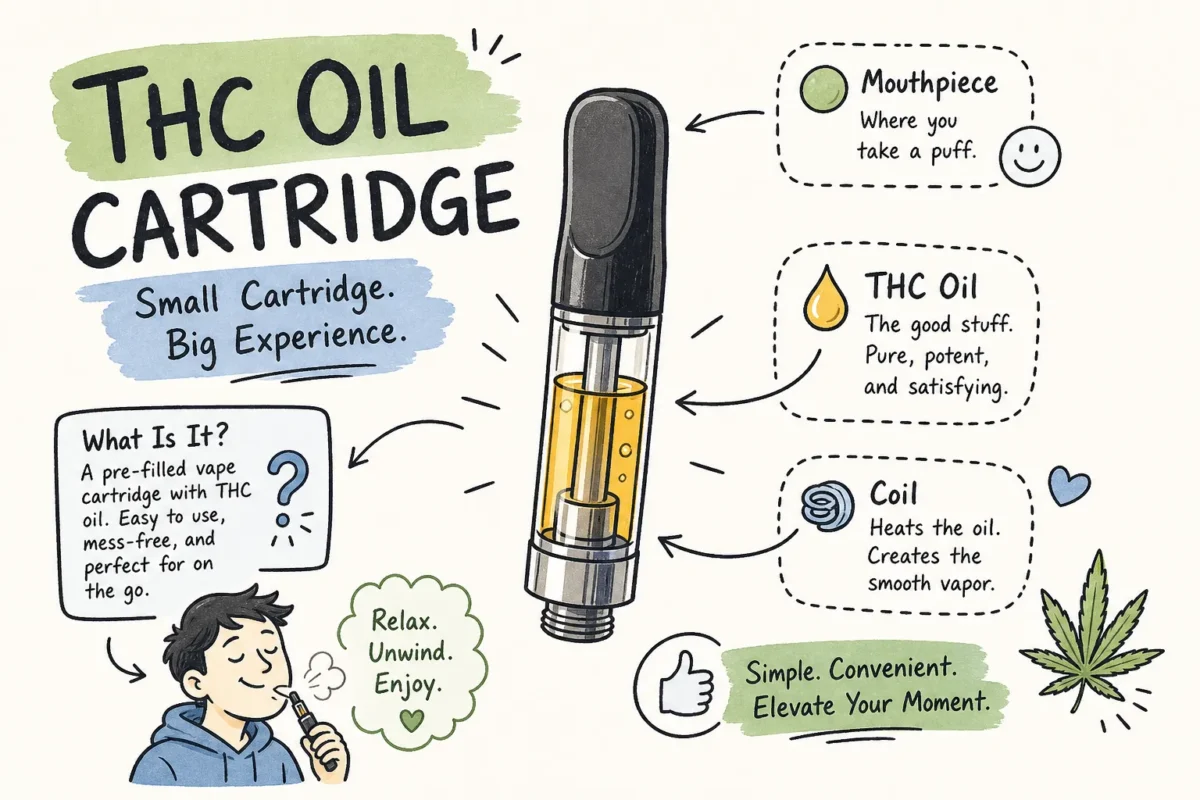
A pre-filled cannabis vape cartridge is a self-contained unit with three components working together. The first is the oil-filled chamber, typically made of glass in quality products or polycarbonate in cheaper ones. The second is the heating element, a coil positioned at the base of the chamber that converts the oil into inhalable vapour. The third is the mouthpiece, through which you draw the vapour. Each part has a direct function, and the quality of each determines the overall experience.
The coil type matters more than most buyers realise. Ceramic coils heat evenly across the oil, preserve terpene flavour at lower temperatures, and are generally preferred over cheaper wick-and-wire alternatives, which have been associated with heavy metal contamination in independent testing. If a product listing doesn’t specify the coil type, it’s worth asking. Metal coils are not inherently dangerous, but ceramic is the standard in quality cartridges for good reason.
When you attach the cartridge to a battery and draw, the circuit completes and the coil heats the oil to temperatures high enough to vapourise cannabinoids, but well below combustion point, varying by device and voltage setting. That’s the fundamental difference between vaping and smoking: no combustion, no smoke. Just heated oil passing into vapour, which you then inhale. The process is simple once you understand it, and that simplicity is part of the appeal.
The three oil types that define your experience
Distillate is the most widely available oil in the THC vape cartridge market, and for straightforward reasons. It’s a highly refined cannabis extract, stripped down to near-pure THC at potencies commonly reported in the 90, 99% range, though products vary. Because the refining process removes natural terpenes, manufacturers typically re-add them post-extraction, either cannabis-derived or botanical. The result is consistent, potent, and predictable, which is why distillate dominates. For buyers who want a reliable, straightforward effect without complexity, it delivers.
Live resin sits at the opposite end of the spectrum. Extracted from fresh-frozen cannabis rather than dried plant material, it preserves a richer, more complex terpene profile than standard distillate. The difference in flavour is immediate and obvious to anyone who has tried both, with effects that feel closer to consuming the original flower. Full-spectrum oil takes this further still, retaining a broader range of cannabinoids alongside THC, CBD, CBG, and trace amounts of others. This is the foundation of what’s often called the entourage effect, where cannabinoids and terpenes work in combination rather than isolation.
Terpenes deserve more attention than they usually get, not just for flavour, but because of their commonly reported associations with effect. Myrcene is commonly associated with sedating, relaxing effects; limonene with a more uplifting, mood-elevating experience; pinene with clarity and focus. These are reported associations rather than proven clinical outcomes, but when a cartridge label lists a terpene profile, it offers a meaningful preview of what to expect. Reading it takes thirty seconds and tells you far more than the THC percentage alone.
Reading potency numbers and dosing them sensibly
An “85% THC” label means the cartridge contains 850 mg of THC per millilitre of oil. A standard 1g cartridge at that potency delivers roughly 200 to 300 puffs in total. Each two-second draw delivers approximately 1.5 to 3.5 mg of THC, though the body absorbs only a fraction of that, inhalation bioavailability typically falls in the 10 to 35% range, so the dose that actually enters your system per puff is meaningfully lower than the raw number suggests. New users often see “85%” and assume they’re about to be overwhelmed. The reality is more measured than that.
For a first session, treat it as a calibration exercise. One short puff, no more than two seconds, followed by a 10 to 15 minute wait. Vaping delivers effects quickly, within minutes, but those effects can accumulate across puffs. The mistake most beginners make is not waiting long enough between hits and then taking too many in succession. Experienced users with an established tolerance can draw for longer and take more frequent hits, but the principle holds: start slower than you think you need to, especially with a THC oil cart you haven’t tried before.
If you’re using an adjustable battery, start at the lowest voltage setting. Higher voltages push more power through the coil and produce denser vapour, but they can also overwhelm the oil’s terpene profile and make dosing harder to control. Lower voltages give you a cleaner, more flavourful draw and more predictable effects, a useful starting point regardless of experience level.
510-thread vs proprietary systems: getting compatibility right
The 510 thread is named for its 5mm diameter and 10-thread count, and it’s compatible with roughly 85 to 90 percent of vape batteries on the market. Most pre-filled cartridges from US and Canadian brands use it, which makes sourcing straightforward: one battery works across dozens of cartridge brands without adapters or workarounds. Glass tanks produce better flavour than polycarbonate; ceramic coils heat more evenly than metal ones. These are the specifications worth checking before you buy, and they’re usually listed in the product description.
Some brands use closed, proprietary connections instead of the 510 standard. Magnetic snap-in connections and custom pods are common examples. These systems only work with the brand’s own battery, which limits flexibility. Brands such as Stiiizy use proprietary pods, worth knowing if you already own a 510 battery and are browsing their range. Before completing any purchase, check whether the listing explicitly states “510-thread compatible.” If it doesn’t say so clearly, look it up before ordering.
Top-airflow cartridges require a button-activated battery, not a draw-activated one. Most bottom-airflow 510 cartridges work with both types, but this small detail catches buyers out regularly. A cartridge that physically screws onto your battery but won’t fire correctly because of an airflow or activation mismatch is wasted money. A quick compatibility check before purchase saves that frustration entirely.
THC oil cartridge safety and COA checks
A Certificate of Analysis from a third-party laboratory is the most important document any cartridge brand can offer. A COA confirms that the THC potency matches the label and screens for pesticides, heavy metals (lead, arsenic, cadmium), residual solvents, and microbials. Reputable brands make their COAs publicly available, often via a QR code on the packaging that links directly to the test results. Match the batch number on the COA to the batch number on the packaging. If they don’t align, the test results don’t apply to the product you’re holding. Independent reports such as the chemical analysis of illicit cannabis document illustrate the kinds of contaminants that frequently appear in unregulated products.
The research on illicit cartridges is genuinely sobering. Common findings in independent testing include vitamin E acetate, directly linked to the EVALI lung injury outbreak, MCT oil and vegetable glycerin used as cheap cutting agents, pesticide residues at concentrations thousands of times above safe limits, and heavy metals leaching from low-grade hardware. News coverage has highlighted high levels of pesticides found in illegal cannabis vapes, and consumer guides outline how to spot fake THC cartridges and counterfeit packaging in circulation. One tested sample contained myclobutanil at over 3,000 times the allowable limit. When heated, myclobutanil can convert to hydrogen cyanide. These are not theoretical concerns. They appear consistently in black-market products that bypass any form of quality control.
Price is the most obvious red flag. A cartridge priced dramatically below the going rate for a similar product almost always reflects a compromised supply chain somewhere. Other warning signs include blurry or poorly printed packaging, no batch number, no verifiable COA, oil that appears watery or oddly discoloured, and no brand website with transparent sourcing information. Legitimate brands invest in consistent hardware and transparent lab results because their reputation depends on it. If a supplier can’t or won’t provide a COA, walk away.
Where European buyers source premium, lab-tested cartridges
In the UK in 2026, THC cartridges remain a Class B controlled substance under the Misuse of Drugs Act 1971. Recreational possession and supply carry criminal penalties. Medical cannabis access does exist through licensed private clinics, Releaf, for example, can prescribe cannabis-based medicinal products including vaporiser-compatible formulations to registered patients following a formal consultation. Anyone in the UK seeking THC products should understand the legal position clearly before proceeding, see a legal roadmap to cannabis in the United Kingdom for further detail. This guide provides information, not legal advice. For more reading on related topics, check our blog posts.
Across Europe more broadly, the regulatory picture varies by country, but the quality signals remain consistent regardless of jurisdiction. Third-party COAs, named source brands from the US or Canada, discreet and secure packaging, and a verifiable track record are the minimum standards worth expecting from any supplier. Anonymous storefronts with no brand transparency and no lab documentation carry all of the risks outlined above, however professional they appear at first glance.
THC Vape Europe (Secured Vape Shop) stocks a curated selection of premium THC oil cartridges covering distillate, live resin, and full-spectrum options across multiple potency ranges. Products are dispatched discreetly from the Netherlands in double vacuum-sealed packaging. For European buyers who want access to brand-name cartridges with known provenance, consistent quality, and transparent sourcing, it represents a more accountable alternative to the untested grey-market products that dominate local supply chains. Browse the full range at THC Vape Europe, new customers can access a first-order discount at checkout.
Putting it all together before you buy
Understanding what’s inside a THC oil cartridge changes how you shop for one. The anatomy tells you what to look for in hardware; the oil type tells you what kind of experience to expect; the COA tells you whether the product is actually what it claims to be. These aren’t abstract considerations, they’re the practical difference between a consistent, enjoyable session and a genuinely risky one.
None of these checks are complicated. Verifying a COA takes a couple of minutes. Confirming 510 compatibility takes under a minute. Done consistently, they filter out the vast majority of products that don’t meet the standard. The cartridge market has strong options across a wide range of price points, the knowledge to find them is now in your hands.
If you’re ready to explore a curated range of lab-tested, premium cartridges sourced from trusted North American brands, THC Vape Europe is where European buyers who care about both quality and discretion should start, or read our practical guide to the best THC vape for anxiety to help match products to specific needs.
THC oil cartridge
IF YOU NEED QUALITY THC OIL CARTRIDGE BE REST ASSURE YOU STUMBLE ON THE BEST COLLECTION
SHOP NOW